Insights
Electricity generation
Source: NESO
UK electricity generation in 2025
2025 was the cleanest year on record for UK electricity generation with renewables providing more power than fossil fuels. Wind proved to be the backbone of our energy system as the single largest source of electricity, breaking new records, while gas generation increased slightly to replace coal which was pushed off the energy system
Here are some highlights:
- Renewables generated a record 44% of the UK’s total electricity in 2025, up from 42% in 2024.
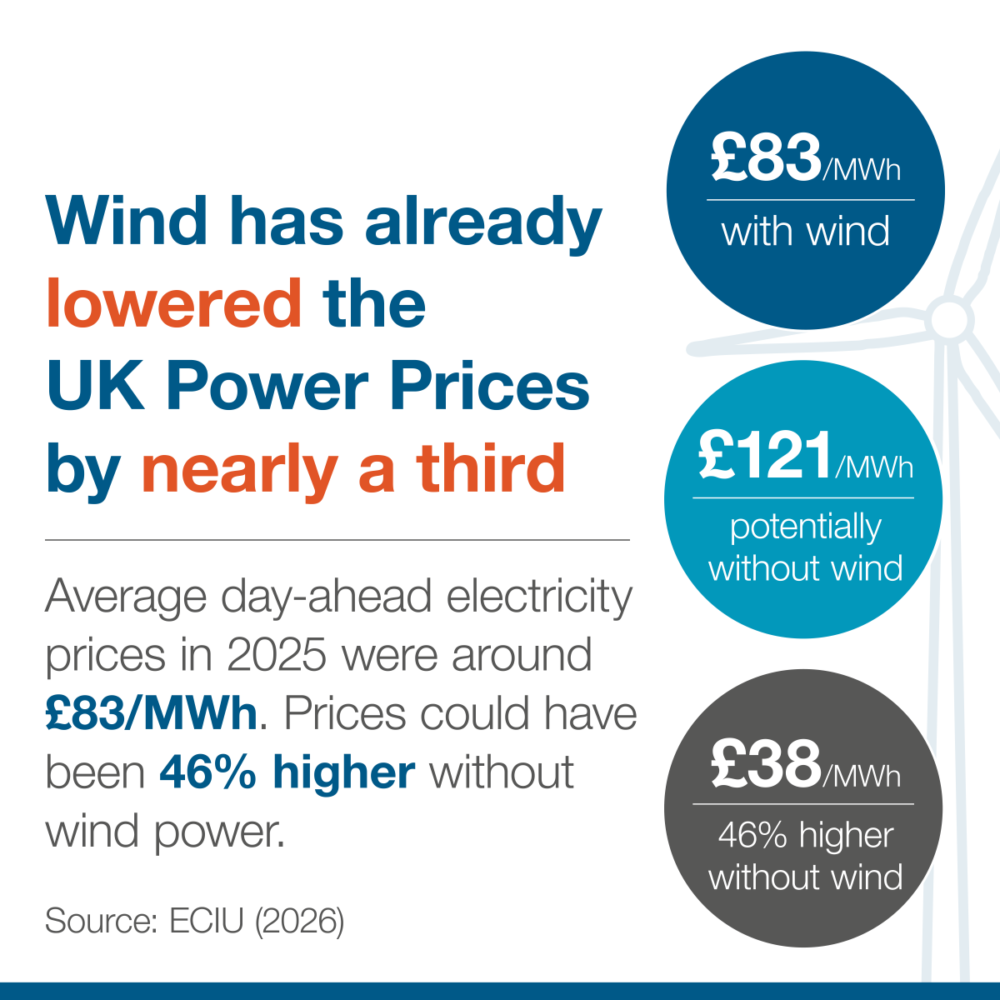
- Wind generation was our largest single renewable source of power for a second year in a row, delivering almost 30% of electricity generation.
- Solar as a share of national electricity was also on the rise, providing nearly a third more than in 2024 to reach 6.5% of UK electricity.
- Following the closure of the last coal-fired power plant at Ratcliffe-on-Soar on 30 September 2024, 2025 marked the first year with no generation from coal.
- Gas generation represented the UK’s second largest source of electricity at 26.8% of UK power, with most supplies (79%) coming from the UK and Norwegian gas fields, followed by nuclear which fell as a share of our electricity from 14% in 2024 to less than 12%.
- A new record for the use of low-carbon sources – known as “zero-carbon operation” – was set at 97.7% for half an hour on 1 April 2025.
UK Energy Transition: Supporting statistics and evidence
The UK’s transition to clean, affordable and secure energy is already well underway.
Find key statistics and evidence on the factors shaping energy bills, the role of different energy sources, and how the energy system is evolving over time.
Our changing electricity system
The way we produce (generate) electricity is changing, due to a number of reasons.
- Energy security – in an increasingly unstable international environment, we need to be able to rely on our own energy sources to improve our self-sufficiency. Recent energy shocks have revealed the risks of allowing other countries to control our energy supplies.
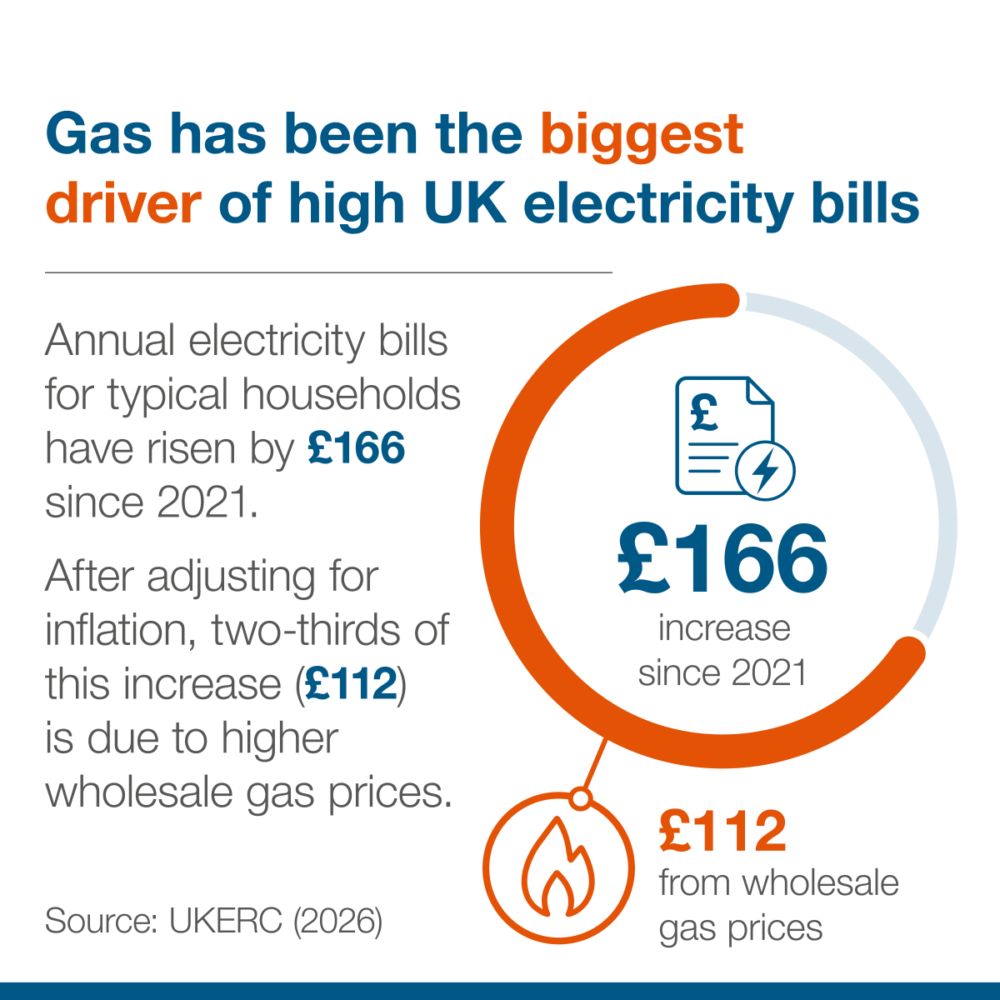
- Affordability – prices for gas, which plays a big role in UK heating, are set on international markets meaning any swings in these global prices feed straight into electricity bills. The more we generate from clean, homegrown power and switch to electric heat and transport, the less exposed we are to international shocks.
- Fighting climate change – there is no doubt that human-made climate change is already contributing to extreme weather events, from flooding to droughts. This is a result of more greenhouse gasses in the environment. Changing the way we extract energy – from finite fossil fuels to clean and stable sources like nuclear or infinite renewable sources – has already played a massive role in reducing the UK’s carbon emissions. This is a global trend, with many countries choosing renewables as they are the easy economic choice.
Decarbonising other sectors, such as heat and transport, will rely on increased system flexibility, and developing technologies. The more users of the electricity system, the more costs will reduce.
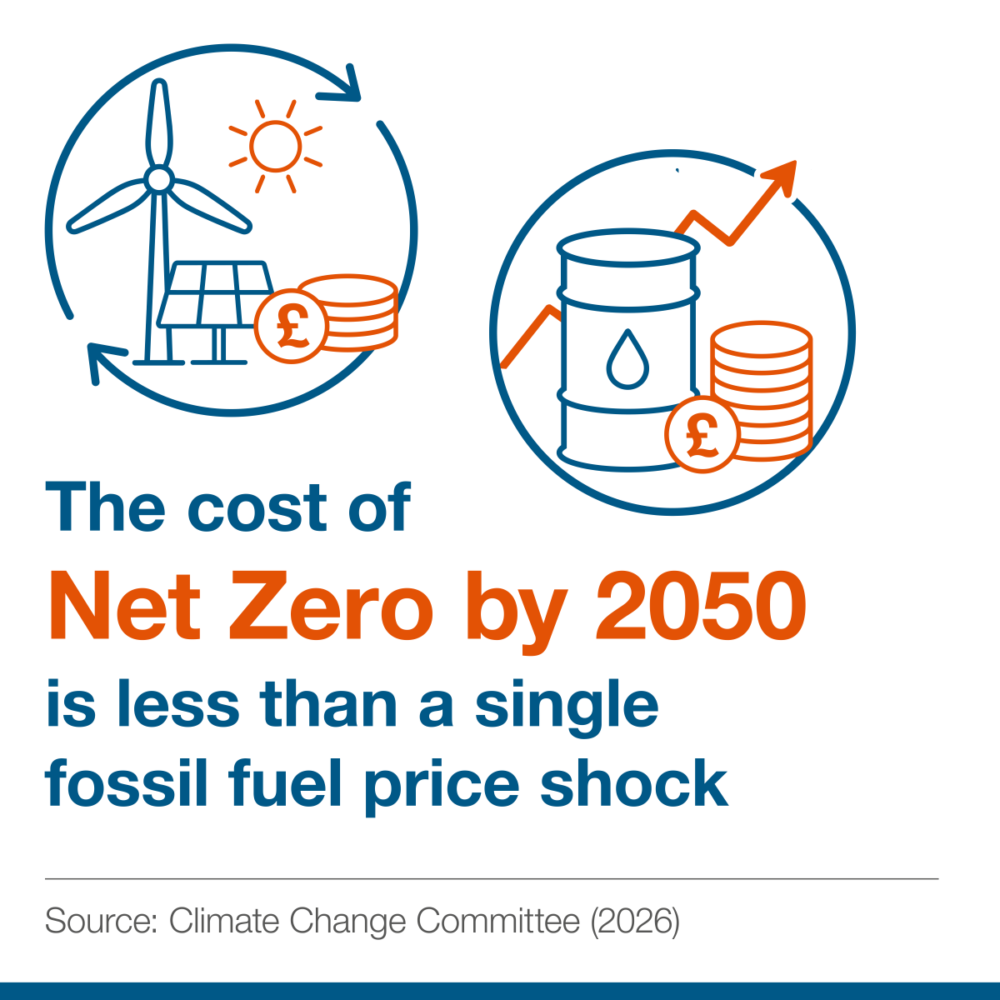
The UK has a legally binding target to achieve Net Zero carbon emissions by 2050, and the energy industry will play a pivotal role in achieving this. The power sector has already cut emissions by 82% since 1990, thanks to a huge growth in renewables and the steep decline in the use of coal for electricity generation.
A history of electricity generation and the phase out of coal

The world’s first coal-fired power station opens
Coal is already powering the industrial revolution when Thomas Edison opens the world’s first public power station in London. Coal will continue to provide the majority of our electricity for the next century.

The Great Smog strikes London
A series of lethal smog events across the capital results in the creation of early legislation in 1956 to address air pollution. This leads to the closure of Battersea Power Station and the site that is now Tate Modern.

Power stations scale up
Coal becomes central to the modernising grid as a new generation of megawatt-scale coal power stations is developed in the middle of the country, close to coal fields – especially in the Trent Valley and South Yorkshire (pictured: Eggborough). The grid is built to connect these central plants to major towns and cities.

Industrial action
Coal mining declined in the UK over decades, but most famously comes to a head in the 1984-85 miners’ strike. Communities are devastated as hundreds of thousands of jobs are lost.
As we progress towards Net Zero, we need to focus on achieving a just transition that doesn’t leave people and places behind.

The ‘dash for gas’
Following privatisation, a change in rules, and growing production in the North Sea, there is a massive expansion of gas power in the 1990s – overtaking coal in 1999.

The Emissions Trading Scheme
The EU introduces a first-of-a-kind carbon market to encourage heavy polluters to reduce their emissions.

The Climate Change Act
The UK commits to reducing carbon emissions to 80% of their 1990 level by 2050. This requires phasing out coal.

Drax starts converting to biomass
Following trials of firing wood and coal together, some old coal power stations commit to fully converting to biomass.

Carbon Price Support
Coal is still not decisively cheaper than gas, so the Government introduces a top-up carbon price to encourage the market to shift away from coal.

Government commits to the end of coal by 2025
The Government gives itself a decade to complete the end of using coal to generate electricity.

Net Zero targets become law
The Climate Change Act target is tightened and the UK becomes the first major economy to commit to Net Zero by 2050.

Our longest coal-free period
With low demand during the pandemic and continued progress on the coal phaseout, the UK sets a record 67 days without the use of coal.

Phaseout bought forward
Marking the UK hosting COP26 in Glasgow, the Government announces that it is bringing the deadline for the coal phaseout forward to October 2024.

Winter support contracts
In response to the supply crunch following the invasion of Ukraine, the Government takes measures to keep coal power stations online to ensure the lights stay on.

Ratcliffe closes
In time for the deadline, the UK’s last coal power station closes on 30 September 2024. This marks the end to a century-and-a-half of coal powering Britain.
